
The Most Stunning Red Flowers with Yellow Centers

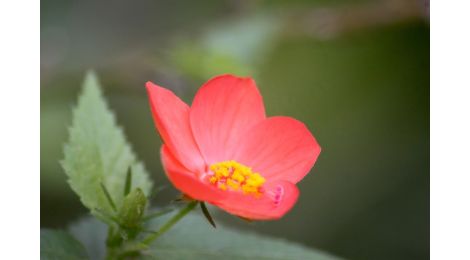
Red flower with yellow center varieties are perfect for bringing love, passion, and excitement to any garden. These vibrant flowers make a lasting impression whether blooming in your backyard or gracing your local park. Some standout examples include the Aster, Gerbera Daisy, and Coreopsis Mercury Rising, all known for their dazzling red petals contrasted by striking yellow centers.
Every gardener knows that red flowers aren't just about bold color. Their vibrant hues symbolize deep emotions like love and excitement, creating an outdoor space that's not just beautiful but also meaningful. At Classic Landscapes, we understand the allure of these flowers and are dedicated to providing the best options and services for your outdoor needs.
As Josh Payne, with over 25 years in the landscape and garden industry, I can assure you that the perfect red flower with yellow center will lift any space. I'm committed to helping you improve your garden with the expertise and high-quality services Classic Landscapes offers.
Aster: The Royal Ruby
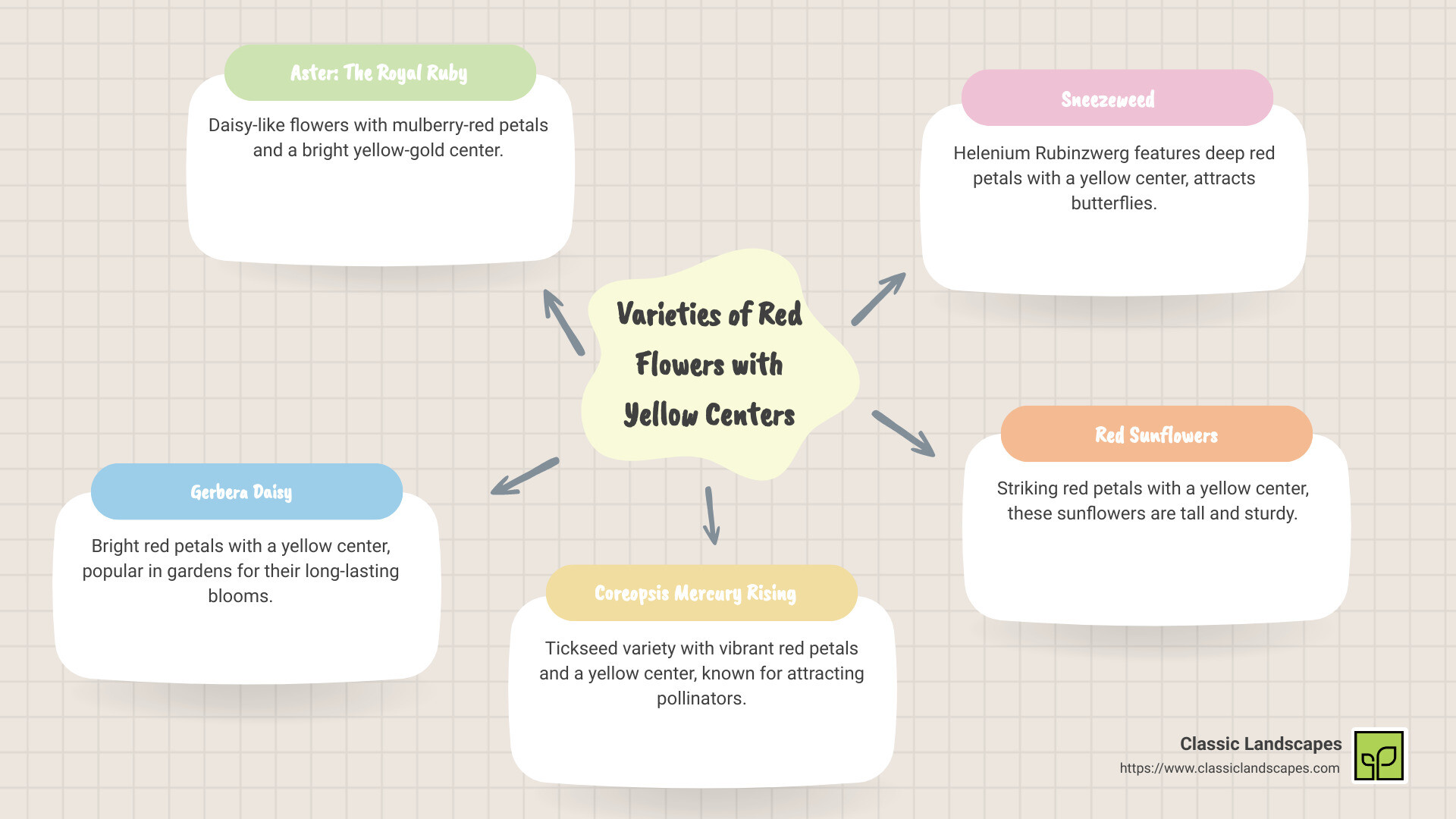
Asters are a dazzling addition to any garden, especially the Royal Ruby variety. These flowers are known for their daisy-like appearance, featuring mulberry-red petals that encircle a bright yellow-gold center. They bring a touch of royalty to your garden, with colors that stand out beautifully against their green foliage.
Originating from North America, asters thrive in late summer to early fall. During this time, they burst into bloom, attracting both birds and butterflies. Their vibrant colors and nectar-rich flowers make them a favorite among pollinators, ensuring your garden is alive with movement and life.
Asters are not only visually stunning but also relatively easy to grow. They prefer well-drained soil and can flourish in full or partial sun. Their hardiness makes them suitable for USDA zones 4 to 8, allowing a wide range of gardeners to enjoy their beauty. With a height of 18 to 20 inches and a spread of 12 to 18 inches, they fit well in garden borders or as part of a larger floral display.
For those looking to create a garden that attracts wildlife while adding a splash of color, the Royal Ruby Aster is an excellent choice. Classic Landscapes offers a variety of options to help you incorporate these stunning flowers into your garden design, ensuring a vibrant and lively outdoor space.
Gerbera Daisy: A Burst of Color
Gerbera daisies are a vibrant and cheerful addition to any garden. Part of the daisy family, these flowers are known for their Gerbera jamesonii variety, which boasts bright red petals surrounding a yellow center. This striking contrast makes them a popular choice for gardeners looking to add a splash of color.

These daisies are not only beautiful but also long-lasting, making them ideal for flower beds, borders, and even containers. They thrive in well-drained soil and prefer full sun to partial shade. Regular watering and occasional feeding with a balanced fertilizer can keep them blooming throughout the season.
Gerbera daisies are loved for their versatility. They can grow well in USDA zones 8 to 11, making them suitable for a variety of climates. With their ability to attract butterflies and other pollinators, they bring life and movement to your garden.
Classic Landscapes can assist you in selecting the perfect Gerbera daisies for your garden, ensuring a burst of color that will last. Whether you're looking for a single striking plant or a mass planting, these daisies will not disappoint.
Coreopsis Mercury Rising
If you're looking for a red flower with a yellow center that brings vibrancy to your garden, Coreopsis Mercury Rising is a fantastic choice. Known as tickseed, this plant features vibrant red petals that frame a cheerful yellow center, creating a stunning visual contrast.
Key Features
- Summer Blooms: Coreopsis Mercury Rising blooms throughout the summer, providing a continuous splash of color.
- Drought-Tolerant: This plant is hardy and can withstand dry conditions, making it perfect for gardens in need of low-maintenance beauty.
- Pollinator Magnet: Attracts bees, butterflies, and other pollinators, bringing life and movement to your garden.

Growing Tips
- Sun Requirements: Prefers full sun to partial shade, ensuring the best blooms.
- Soil Needs: Thrives in well-drained soil. Adding compost can improve its growth.
- Watering: While drought-tolerant, watering during prolonged dry spells will keep it thriving.
Benefits
Coreopsis Mercury Rising is not just beautiful; it's also practical. Its drought tolerance means less watering, saving both time and resources. Plus, its ability to attract pollinators helps support local ecosystems, making it an eco-friendly choice.
At Classic Landscapes, we can help you incorporate this stunning plant into your garden design. Whether you're looking to create a pollinator-friendly space or simply want a pop of color, Coreopsis Mercury Rising is a versatile option that won't disappoint.
Sneezeweed: Helen's Flower
Sneezeweed, also known as Helenium Rubinzwerg, is a delightful addition to any garden. It boasts deep red petals with a sunny yellow center, creating a striking contrast that draws the eye. This plant is a favorite for those looking to add color from late summer to fall.
Key Features
- Seasonal Blooms: Helenium Rubinzwerg blooms from late summer into the fall, ensuring your garden remains vibrant as the seasons change.
- Butterfly Attraction: Its bright colors and nectar-rich blooms are perfect for attracting butterflies, adding both beauty and life to your garden.
- Easy to Grow: This plant is low-maintenance, making it ideal for both novice and experienced gardeners.
Growing Tips
- Sun Requirements: Prefers full sun to maximize its blooming potential.
- Soil Needs: Thrives in well-drained soil. Adding compost can improve soil quality and support healthy growth.
- Watering: Regular watering helps maintain its vibrant blooms, but it can tolerate short dry spells.
Benefits
Sneezeweed is not only beautiful but also practical. Its ability to attract butterflies improves biodiversity in your garden. Plus, its low-maintenance nature means more time enjoying your garden and less time tending to it.
At Classic Landscapes, we can assist you in integrating Helenium Rubinzwerg into your garden design. Whether you're aiming for a butterfly haven or simply seeking a splash of color, Sneezeweed is a perfect choice to bring your garden to life.
Red Sunflowers
Red Sunflowers (Helianthus annuus) are a stunning variation of the classic sunflower. These blossoms captivate with their striking red petals and a vibrant yellow center. They add a bold splash of color to any garden, making them a favorite among gardeners seeking something unique.
Key Features
- Summer Blooms: Red Sunflowers bloom throughout the summer, providing continuous beauty and interest in your garden during the warm months.
- Tall and Sturdy: These sunflowers grow tall and strong, reaching heights of 5 to 6 feet. Their robust nature means they can stand up to summer storms, especially if staked properly.
- Wildlife Attraction: The flowers are a magnet for birds and bees, contributing to a lively and buzzing garden ecosystem.
Growing Tips
- Sun Requirements: As their name suggests, Red Sunflowers thrive in full sun. Ensure they get plenty of sunlight to encourage the best blooms.
- Soil Needs: They prefer medium-fertile soil rich in humus, which should be moist but well-drained. Adding compost can improve soil fertility and drainage.
- Wind Protection: While sturdy, these flowers benefit from protection against strong winds to prevent them from toppling over.
Benefits
Red Sunflowers are not only visually striking but also practical. Their ability to attract pollinators like bees helps support the health of your garden. Additionally, birds are drawn to these flowers, enjoying their seeds as a natural food source.
At Classic Landscapes, we offer expert advice and services to help you incorporate Red Sunflowers into your garden. Whether you're looking to create a vibrant display or support local wildlife, these sunflowers are an excellent choice.
How to Care for Anthurium
Anthuriums, often called flamingo flowers, are a showstopper in any indoor garden. Their bright red, heart-shaped spathes and yellow spikes make them a popular choice for plant enthusiasts. But, to keep them thriving, they need specific care.
Key Care Guidelines
- Light: Anthuriums love bright, indirect light. Too much direct sunlight can scorch their leaves, while too little can stunt growth. Place them near a window where they can enjoy filtered sunlight.
- Humidity: These tropical plants need high humidity to flourish. Aim for humidity levels above 60%. If your home is dry, consider using a humidifier or placing the plant on a pebble tray with water.
- Soil: Use a well-drained soil mix. A combination of orchid bark and houseplant potting mix works well. This ensures good air circulation around the roots, preventing root rot.
- Watering: Keep the soil slightly moist but not soggy. Water when the top inch of soil feels dry. Be sure to let excess water drain out to avoid root rot.
- Temperature: Anthuriums prefer temperatures between 65°F and 85°F. Avoid placing them in areas with cold drafts or sudden temperature changes.
Safety Note
Anthuriums are toxic to pets and humans. Keep them out of reach of curious pets and small children to prevent ingestion.
Benefits
With proper care, Anthuriums can bloom year-round, adding a vibrant pop of color to your home. Their unique appearance and tropical flair make them a favorite among indoor plant lovers.
At Classic Landscapes, we provide guidance on maintaining your Anthurium's beauty and health. Whether you're a seasoned plant parent or just starting out, we're here to help you succeed with these stunning plants.
Frequently Asked Questions about Red Flowers with Yellow Centers
What flower is red with yellow center?
There are several stunning flowers that feature red petals with a yellow center. Among the most popular are the Aster and Gerbera Daisy.
- Aster: Known as the Royal Ruby, this flower boasts mulberry-red petals with a bright yellow-gold center. Native to North America, asters bloom from late summer to early fall, attracting birds and butterflies.
- Gerbera Daisy: Part of the daisy family, Gerbera jamesonii showcases bright red petals surrounding a cheerful yellow center. These flowers are a popular choice for gardens due to their long-lasting blooms.
How do I get my anthurium to bloom?
To encourage your anthurium to bloom, focus on these key elements:
- Lighting: Ensure your anthurium receives bright, indirect light. Too much direct sunlight can damage the leaves, while insufficient light can hinder blooming.
- Watering and Misting: Keep the soil slightly moist. Water when the top inch feels dry, and mist the leaves to maintain humidity.
- Humidity: Anthuriums thrive in high humidity. Aim for levels above 60% to promote blooming.
- Fertilizer: Use a high-phosphorus liquid fertilizer diluted to 1/4 strength. Feed weekly during the growing season to boost flower production.
How to care for an anthurium plant?
Caring for an anthurium involves paying attention to several factors:
- Well-Draining Pot: Use a potting mix that drains well, such as a blend of orchid bark and houseplant soil. This prevents waterlogging and root rot.
- Bright Light: Position your anthurium in a spot with bright, indirect light to support healthy growth and flowering.
- Soil Moisture: Keep the soil slightly moist but not waterlogged. Water when the top inch is dry, and ensure proper drainage.
- Fertilizer: During the growing season, apply a high-phosphorus fertilizer weekly at 1/4 strength to encourage blooms.
At Classic Landscapes, we offer expert advice and quality products to help you care for your anthurium and other plants. Whether you're enhancing your indoor garden or exploring new plant options, we're here to support your gardening journey.
Conclusion
At Classic Landscapes, we pride ourselves on delivering personalized service that stands out in the landscaping industry. Our family-owned business in Edmonton is dedicated to offering premium residential and commercial services custom to meet your unique needs. Whether you're looking to improve your garden with vibrant flowers or need expert advice on plant care, we have you covered.
Our range of services includes everything from design and planning to installation and maintenance. We understand that every landscape is unique, which is why we handle unique installation requests with care and precision. Our team excels in the careful placement of heavy items, ensuring that your outdoor space is both beautiful and functional.
In addition to our landscaping services, we offer a wide array of retail plants and bulk supplies. Whether you're searching for the perfect red flower with a yellow center or need quality soil and mulch, our extensive selection is sure to meet your needs. Our knowledgeable staff is always ready to assist you in finding the right products for your garden.
We invite you to explore our services and find how we can transform your outdoor space into a stunning oasis. Visit our Anthurium Flamingo Plant page to learn more about our offerings and how we can help you achieve your landscaping dreams.