
Making Horticultural Sand: A Simple Guide for Gardeners

Enhancing Soil for Better Plant Growth with Horticultural Sand
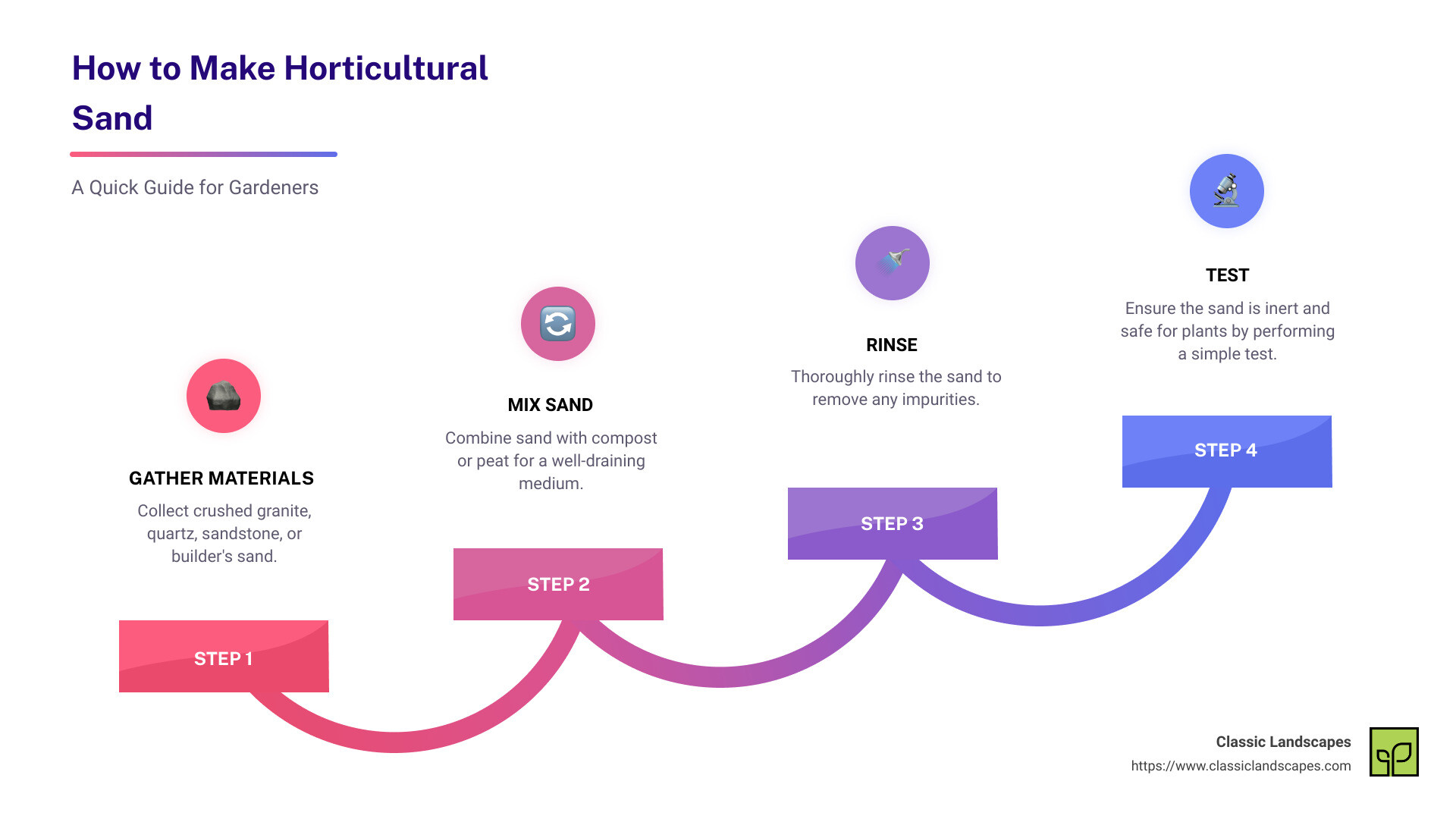
How to make horticultural sand is a common question among gardeners who want to improve soil drainage and support healthier plant growth. Here's a quick guide to get you started:
How to make horticultural sand:
- Gather materials: crushed granite, quartz, sandstone, or builder's sand.
- Mix sand with compost or peat for a well-draining medium.
- Rinse and test the sand to ensure it's inert (safe for plants).
So, why is horticultural sand so important? It improves soil drainage. This is crucial for healthy plants because poor drainage can lead to waterlogged soil, suffocating roots and causing plant death. Horticultural sand, also called sharp sand, coarse sand, or quartz sand, consists of gritty particles that make the soil more porous.
My name is Josh Payne. With over 25 years in the landscape and garden industry, I’m passionate about helping you understand how to make horticultural sand for a healthier garden.
What is Horticultural Sand?
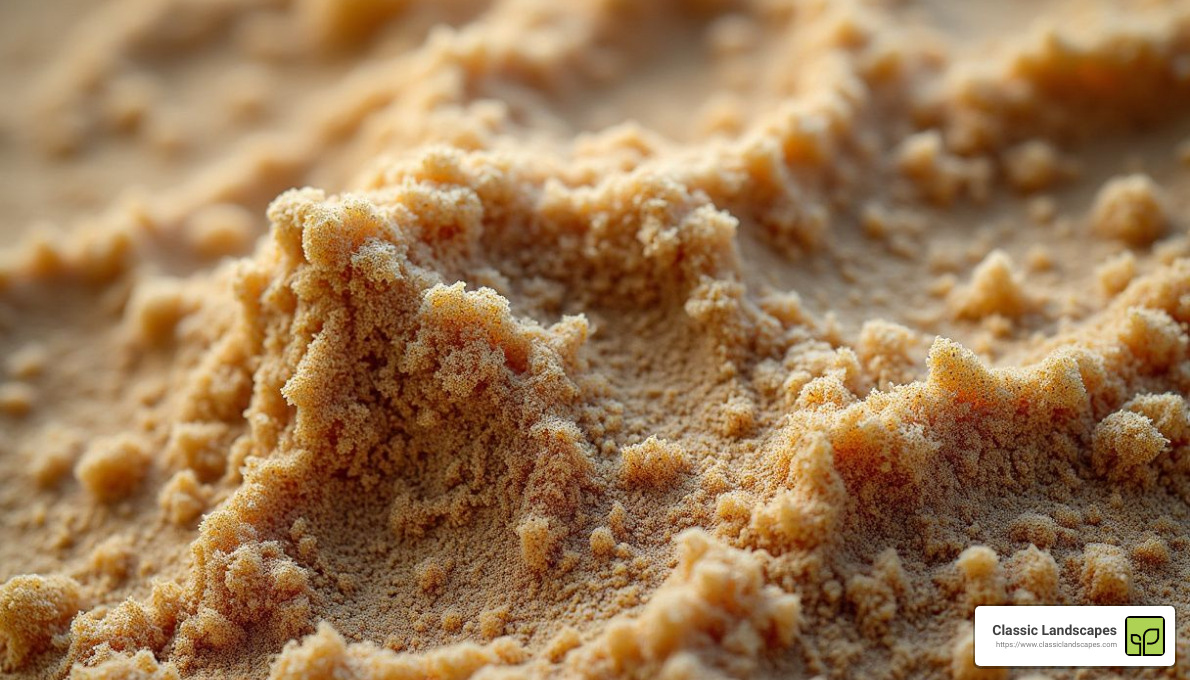
Horticultural sand is a type of gritty sand used to improve soil drainage, crucial for healthy plant growth. It’s often referred to as sharp sand, coarse sand, or quartz sand. Unlike regular sandbox sand, horticultural sand is made from materials like crushed granite, quartz, or sandstone. These materials ensure the sand particles are large and gritty, which helps create a porous soil structure.
Why is this important? Well, if soil doesn’t drain well, it can become waterlogged. This means plant roots get deprived of oxygen, leading to root rot and ultimately plant death. By mixing horticultural sand into your soil, you ensure better water permeability and healthier roots.
Key Characteristics of Horticultural Sand
- Gritty Texture: Made from crushed granite, quartz, or sandstone.
- Large and Small Particles: Ensures a mix of particle sizes for better drainage.
- Improves Soil Porosity: Helps water move through the soil more efficiently.
Types of Horticultural Sand
- Sharp Sand: Known for its rough texture.
- Coarse Sand: Larger particles, ideal for improving drainage.
- Quartz Sand: Often used for its durability and effectiveness.
Horticultural sand is different from other types of sand you might find at the beach or in a sandbox. Play sand and beach sand have smaller, smoother particles that can compact and hinder water movement, making them unsuitable for gardening.
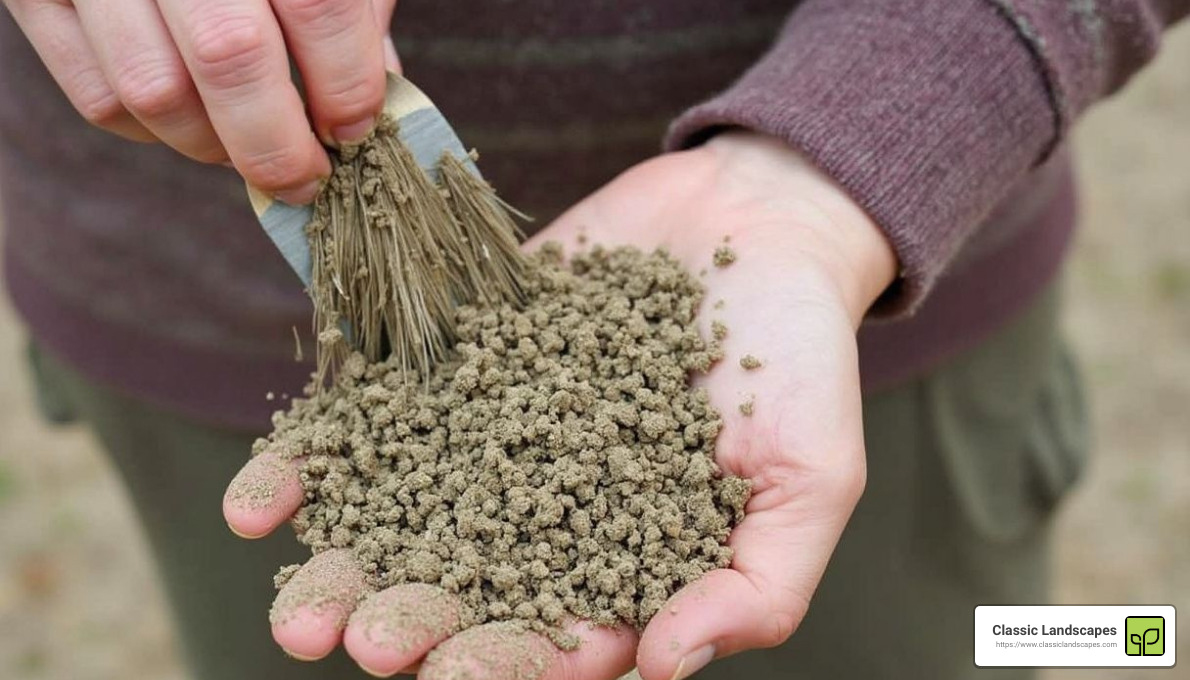
When you can’t find horticultural sand, you can use alternatives like builder’s sand or horticultural grit. These substitutes also help improve soil drainage, though they might not be as effective as true horticultural sand.
Pro Tip: Always rinse any sand before using it in your garden to remove any salts or impurities that could harm your plants.
By understanding what horticultural sand is and why it’s beneficial, you can make informed decisions to boost your garden’s health and productivity. This leads directly into our next topic: how to make horticultural sand for your gardening needs.
How to Make Horticultural Sand
Creating your own horticultural sand is simple and can save you some money. Here’s a step-by-step guide to get you started.
Materials Needed
To make horticultural sand, you’ll need:
- Crushed Granite: Provides a gritty texture.
- Quartz: Ensures durability and effectiveness.
- Sandstone: Adds to the mix of particle sizes.
- Builder’s Sand: An affordable alternative.
- Horticultural Grit: Can be used if you have trouble finding the above materials.
Step-by-Step Process
1. Gather Your Materials
Start by collecting your base materials. You can find crushed granite, quartz, and sandstone at most landscaping or garden supply stores. Builder’s sand is available at hardware stores.
2. Mixing
Combine your materials to create a balanced mix. Here’s a simple recipe to follow:
- 1 part Crushed Granite
- 1 part Quartz
- 1 part Sandstone
- 1 part Builder’s Sand or Horticultural Grit
Mix these thoroughly to ensure an even distribution of different particle sizes.
3. Screening
Use a screen or sieve to filter out any large chunks or fine particles. This step ensures that your sand has a consistent texture.
Tip: You can use a window screen or an embroidery hoop with fine mesh for this task.
4. Rinsing
Rinse the mixed sand thoroughly to remove any dust, salts, or impurities. Place the sand in a large bucket or container and run water over it until the water runs clear.
Pro Tip: Use a TDS (Total Dissolved Solids) meter to test the rinse water. If the readings are high, keep rinsing until the levels are safe for plants.
5. Testing
To ensure your homemade horticultural sand is effective, perform a simple drainage test. Fill a small pot with your sand mix and water it. The water should drain quickly, leaving the sand moist but not saturated.
Visual Guide
By following these steps, you can create high-quality horticultural sand that will improve your soil’s drainage and promote healthy plant growth. Now that you know how to make horticultural sand, let's explore when to use it in your garden.
When to Use Horticultural Sand
Horticultural sand is a versatile tool for gardeners. Here's how and when to use it effectively:
Planting Seeds and Taking Cuttings
When starting seeds or taking cuttings, good drainage is crucial. Mix horticultural sand with compost or peat to create a soilless rooting medium that drains well. This loose structure helps seeds germinate and cuttings root.
Pro Tip: For a basic mix, combine one part horticultural sand with two parts compost or peat. For cactus and succulents, use a 50/50 mix for better results.
Potting Mix for Container Growing
Garden soil can become compacted in containers, suffocating plant roots. Mixing horticultural sand into your potting mix prevents this. A mixture of one part sand to two parts compost or peat works well for most plants.
Tip: Adding a thin layer of horticultural sand on top of the potting mix can also help reduce water evaporation and prevent fungus gnats.
Loosening Heavy Soil
Improving heavy clay soil is tough, but horticultural sand can make it more porous. Spread several inches of sand over the clay and dig it into the top 9 to 10 inches of soil. This helps roots penetrate and improves drainage.
Note: For significant improvement, the sand should make up about half of the total soil volume.
Improving Lawn Health
Poorly drained lawns can become waterlogged, especially in rainy climates. Rake horticultural sand into holes punched by an aerator to improve drainage. For small lawns, you can create holes with a pitchfork or rake.
Fun Fact: Lawn grass in well-drained soil is more resistant to diseases and pests.
By incorporating horticultural sand into these areas of your garden, you can ensure better drainage and healthier plants. Next, let's look at the benefits of using horticultural sand.
Benefits of Using Horticultural Sand
Horticultural sand offers several key benefits for gardeners. Let's explore how it can improve your garden's soil drainage, root health, soil structure, and overall plant growth.
Soil Drainage
Good soil drainage is essential for healthy plants. Poorly drained soil becomes waterlogged, depriving roots of oxygen. This can lead to root rot and plant death. Horticultural sand improves drainage by creating larger air pockets in the soil. This allows water to flow through more easily, preventing waterlogging.
Root Health
Roots need oxygen to thrive. When soil is too compacted, roots struggle to get enough air. Adding horticultural sand to your soil mix loosens it up, ensuring roots have access to the oxygen they need. This promotes stronger, healthier root systems.
Soil Structure
Heavy, clay-rich soil can be challenging to work with. It tends to compact and harden, making it difficult for roots to penetrate. Mixing horticultural sand into such soil improves its structure by making it more porous. This allows roots to grow more freely and access nutrients more effectively.
Plant Growth
Better soil drainage, improved root health, and improved soil structure all contribute to overall plant growth. Plants in well-drained soil are less likely to suffer from diseases and pests. They also grow more vigorously because their roots can access water and nutrients more efficiently.
Interesting Fact: Many gardeners have found that using horticultural sand in their potting mixes and garden beds can lead to noticeable improvements in plant health and productivity.
Incorporating horticultural sand into your gardening practices can make a significant difference. Next, we'll discuss some alternatives to horticultural sand.
Alternatives to Horticultural Sand
If you can't find horticultural sand or prefer to explore other options, there are several alternatives that can achieve similar results. These substitutes can help improve soil drainage, structure, and overall plant health.
Horticultural Grit
Horticultural grit is a great alternative to horticultural sand. It's made from crushed rock like granite or limestone and is usually lime-free, making it safe for plants. The coarse texture helps with drainage and prevents soil compaction.
Builder's Sand
Builder's sand is another option, but it comes with some caveats. It's generally coarser and less uniform than horticultural sand. It may contain impurities like rocks or clay, and sometimes even salt and lime, which can affect plant growth. If you choose to use builder's sand, make sure to screen and rinse it thoroughly.
Filter Sand
Filter sand is commonly used in water filtration systems. It’s available in different grades, with coarse grades being suitable for gardening. You can find it at farm supply stores or places that sell irrigation equipment. Filter sand is usually clean and inert, making it a reliable option.
Pool Filter Sand
Pool filter sand is a popular choice among gardeners. It’s coarse, clean, and generally free of impurities. Many find it to be the most convenient substitute, as it's widely available at pool supply stores and big box retailers. One user on Reddit mentioned paying just $5 for a 50-pound bag, making it an affordable alternative.
Aquarium Sand
Aquarium sand is another viable option. It’s designed to be inert and free of harmful substances, making it safe for plants. Just make sure to rinse it thoroughly to remove any dust or small particles.
Coconut Husk Chips
Coconut husk chips are an organic alternative that can aid in drainage and aeration. They’re especially useful in potting mixes. Be sure to wash them thoroughly to remove any salts or other residues.
Pumice
Pumice is a volcanic rock that is lightweight and porous. It holds air well and aids in drainage, making it an excellent addition to soil mixes. Pumice is often used in succulent and cactus mixes due to its ability to prevent waterlogging.
Scoria
Scoria, another volcanic rock, is similar to pumice but generally has larger pores. It’s also used to improve soil aeration and drainage. Scoria is often available at landscaping supply stores.
By considering these alternatives, you can find a suitable substitute for horticultural sand that meets your gardening needs. Each option has its own set of benefits and considerations, so choose the one that best fits your requirements.
Next, let's explore when to use horticultural sand in your gardening practices.
Frequently Asked Questions about Horticultural Sand
What is the difference between horticultural sand and builder's sand?
Horticultural sand is specially designed for gardening. It's made from substances like crushed granite, quartz, or sandstone and is known for its coarse, gritty texture. This texture improves soil drainage and prevents compaction, which is vital for plant health.
Builder's sand, on the other hand, is typically used in construction. It is coarser and less uniform, and it may contain impurities such as rocks, clay, salt, and lime. These impurities can affect plant growth. If you choose to use builder's sand, make sure to screen and rinse it thoroughly to remove any unwanted materials.
Can I use play sand instead of horticultural sand?
Play sand is not recommended for gardening. It has smaller, smoother particles that can compact easily, leading to poor soil drainage. This can suffocate plant roots and harm plant growth. Horticultural sand, with its larger, gritty particles, is much better suited for improving soil structure and drainage.
Where can I buy horticultural sand?
Horticultural sand can be purchased at various places, including:
- Garden centers: Many local garden centers carry horticultural sand or can order it for you.
- Landscaping supply stores: Stores like Classic Landscapes often stock horticultural sand and other soil amendments.
- Farm supply stores: These stores may carry filter sand or coarse sand that can be used similarly.
- Pool supply stores: Pool filter sand is a popular alternative and is widely available.
For those who prefer shopping online, websites like Classic Landscapes offer a variety of gardening supplies, including horticultural sand. Always ensure that the sand you purchase is suitable for horticultural use and free from harmful impurities.
Conclusion
At Classic Landscapes, we believe in turning your gardening dreams into reality. Our personalized service and premium supplies make us the go-to choice for gardeners in Edmonton and the surrounding areas.
Whether you're looking for high-quality horticultural sand or other landscaping materials, we have you covered. Our team is dedicated to providing top-notch products like crushed granite, quartz, and sandstone that are perfect for improving soil drainage and promoting healthy plant growth.
We understand the importance of quality when it comes to gardening supplies. That's why we ensure all our materials are screened, rinsed, and free from impurities. This attention to detail helps you achieve the best results for your plants.
Why choose Classic Landscapes?
- Personalized Service: We work closely with you to understand your specific needs and offer custom solutions.
- Premium Supplies: Our products are sourced from trusted suppliers to ensure longevity and effectiveness.
- Expert Advice: Our knowledgeable team is always ready to offer guidance and tips for your gardening projects.
Transform your garden with the right tools and materials. Visit our landscaping supplies page to explore our range of products and start your gardening journey with us today.
At Classic Landscapes, your garden's success is our priority. Let's create beautiful, thriving outdoor spaces together.